
Which path
of study
is yours?
Mornings translating Pāli suttas. Afternoons debating dependent origination with monks trained in Burmese forest monasteries. Three rigorous tracks for scholars, practitioners, and monastics.
Three Paths
Choose your orientation
Each track is a complete graduate program with its own faculty, fieldwork, and thesis requirements. They share a common core and a common reading room.
Textual Studies
The Scholar's Path
"Read the canon in the language it was spoken."
Rigorous philological training in Pāli and Sanskrit. Direct engagement with primary sources across the Nikāyas, Abhidhamma, and Mahāyāna sūtras. Designed for those who want to know what the texts actually say.
Languages
Fieldwork
Archive residency at a partner monastery library
Thesis Format
Critical edition or annotated translation
Career Outcomes
- –University faculty
- –Research fellow
- –Monastic scholar
Contemplative Practice
The Practitioner's Path
"Where the cushion and the seminar room meet."
Academic study integrated with sustained contemplative practice. Students maintain a formal sitting schedule alongside coursework in contemplative psychology and Buddhist phenomenology. Ordination is not required.
Languages
Fieldwork
Residential retreat at a Burmese forest monastery (6 weeks)
Thesis Format
Phenomenological study or practice-based research
Career Outcomes
- –Therapist/counselor
- –Retreat teacher
- –Healthcare chaplain
- –Dharma center director
Buddhist Philosophy
The Analyst's Path
"Dependent origination examined with rigorous precision."
Systematic study of Buddhist philosophical traditions — Abhidharma, Madhyamaka, Yogācāra, and their dialogue with Western analytic and continental philosophy. For those who want to argue carefully about what the Dharma means.
Languages
Fieldwork
Debate practicum with resident monastic faculty
Thesis Format
Philosophical analysis or comparative study
Career Outcomes
- –Philosophy faculty
- –Comparative religion scholar
- –Monastic teacher with Western credentials
Side-by-Side Comparison
How do the tracks differ?
Hover a column to highlight it. The architecture of information is the argument.
| Criterion | Textual Studies | Contemplative Practice | Buddhist Philosophy |
|---|---|---|---|
| Admission | |||
Ordination required?All tracks welcome lay and ordained applicants. | ✗ No | ✗ No | ✗ No |
Language prerequisite | Reading proficiency in one classical language | None required at entry | Reading proficiency in Sanskrit or Classical Chinese |
Prior practice background | Recommended, not required | Minimum 2 years regular sitting practice | Recommended, not required |
| Curriculum | |||
Core language training | Pāli I–IV + Sanskrit I–II (required) | Pāli I–II (required) | Sanskrit I–IV + Classical Chinese or Tibetan |
Fieldwork requirement | Archive residency (4–8 weeks) | Monastery retreat (6 weeks, residential) | Debate practicum (semester-long) |
Contemplative practice hours | 2 hours/week (optional retreat) | 10 hours/week (required) | 2 hours/week (optional retreat) |
Monastic faculty ratio | 40% monastic instructors | 60% monastic instructors | 50% monastic instructors |
| Degree & Credentials | |||
Degree awarded | MA or PhD in Buddhist Studies | MA in Contemplative Studies | MA or PhD in Buddhist Philosophy |
Recognized in monastic settings?Recognition depends on the specific institution and tradition. | Yes — Theravāda and Tibetan institutions | Partially — varies by tradition | Yes — across traditions |
Transferable to divinity school? | Yes (with bridge coursework) | ✓ Yes | Yes (with bridge coursework) |
PhD pathway available? | ✓ Yes | No (MA terminal) | ✓ Yes |
| Career Outcomes | |||
Primary placement | University faculty, research fellowships | Clinical practice, retreat teaching | Philosophy/religion faculty, monastic teaching |
Average time to completion | 2.4 years (MA) · 5.1 years (PhD) | 2.1 years | 2.6 years (MA) · 5.4 years (PhD) |
Alumni currently teaching | 47 in academic positions | 83 in clinical or retreat settings | 31 in academic or monastic positions |
Data current as of February 2026. Alumni figures represent graduates from 2015–2025.
Not sure which fits? Take the quiz →Faculty & Lineages
Who you'll study with
Faculty hold credentials in both Western academia and their respective contemplative traditions. The reading room is not a simulation.
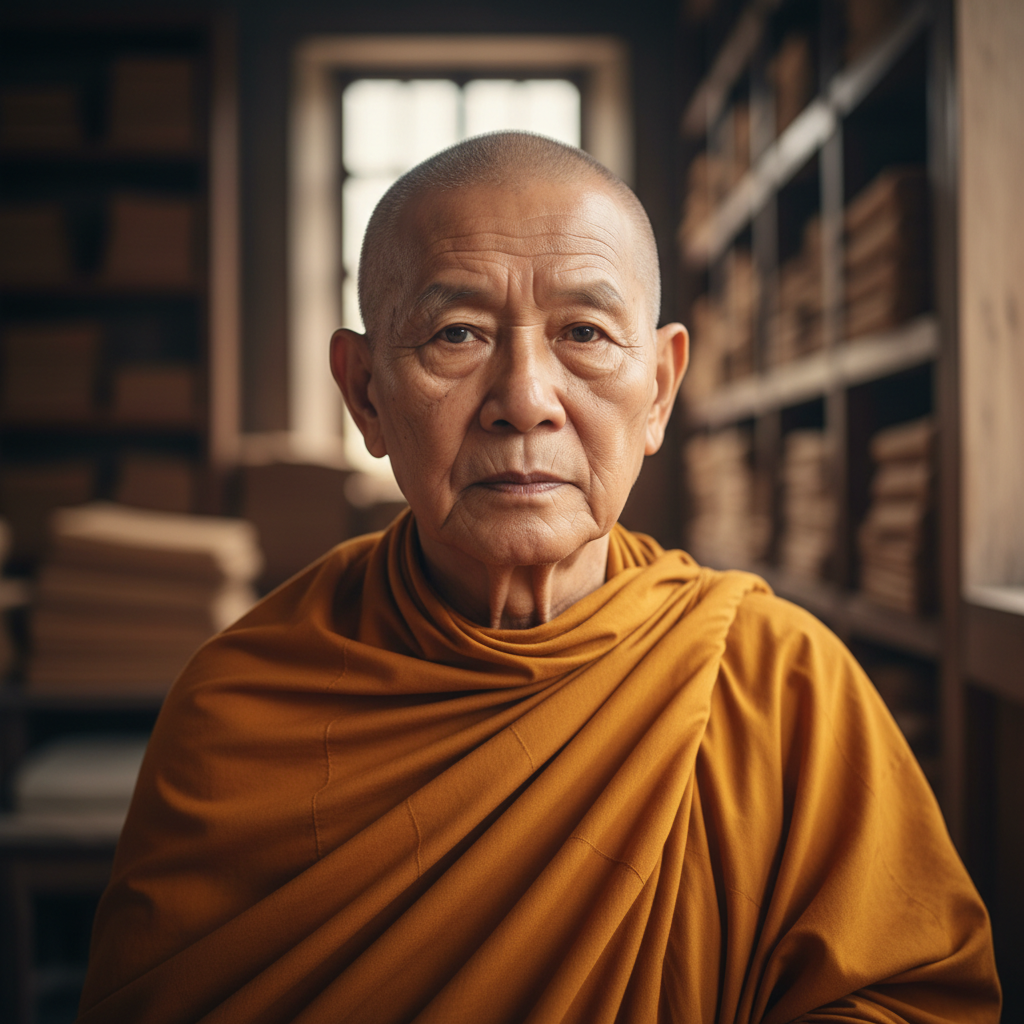
Bhikkhu Ñāṇavīra
Professor of Pāli & Abhidhamma
Mahasi Sāsana · Burmese Forest
Ordained 1978 in the Mahasi tradition. Trained under Sayādaw U Paṇḍita for eleven years before joining Sangha's founding faculty. Author of three annotated translations of the Majjhima Nikāya.
Speciality: Pāli philology, Abhidhamma Piṭaka, vipassanā phenomenology
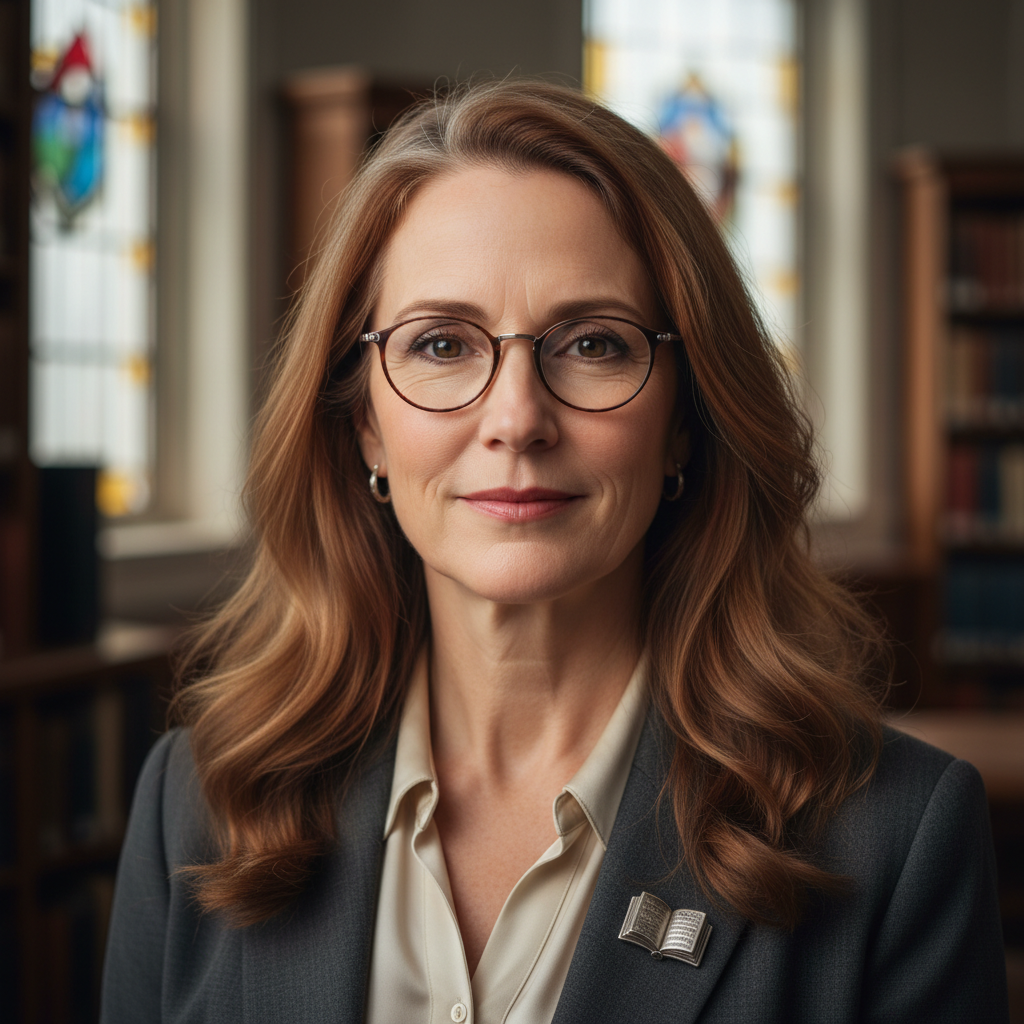
Dr. Miriam Osei-Bonsu
Associate Professor of Contemplative Psychology
Theravāda · Clinical Integration
PhD in clinical psychology from the University of Edinburgh. Trained as a lay practitioner in the Goenka tradition for fourteen years. Her research integrates Abhidhamma models of mind with contemporary trauma therapy.
Speciality: Contemplative psychology, Buddhist-informed psychotherapy, cetasika analysis
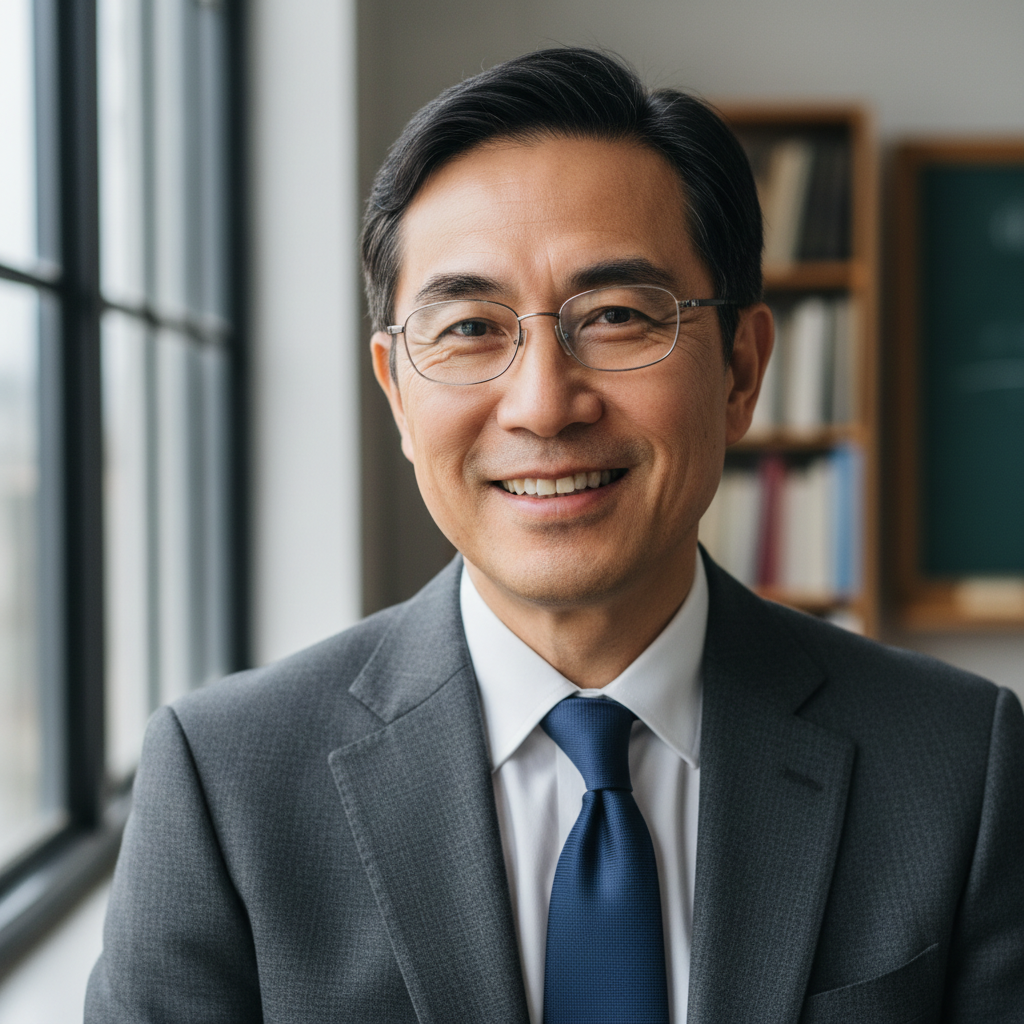
Prof. Takehiro Yamamoto
Chair of Buddhist Philosophy
Sōtō Zen · Comparative Philosophy
Ordained in the Sōtō Zen tradition at age nineteen. PhD in comparative philosophy from Kyoto University. His current research examines Dōgen's reading of Nāgārjuna against contemporary analytic metaphysics.
Speciality: Madhyamaka, Yogācāra, Zen epistemology, comparative ontology
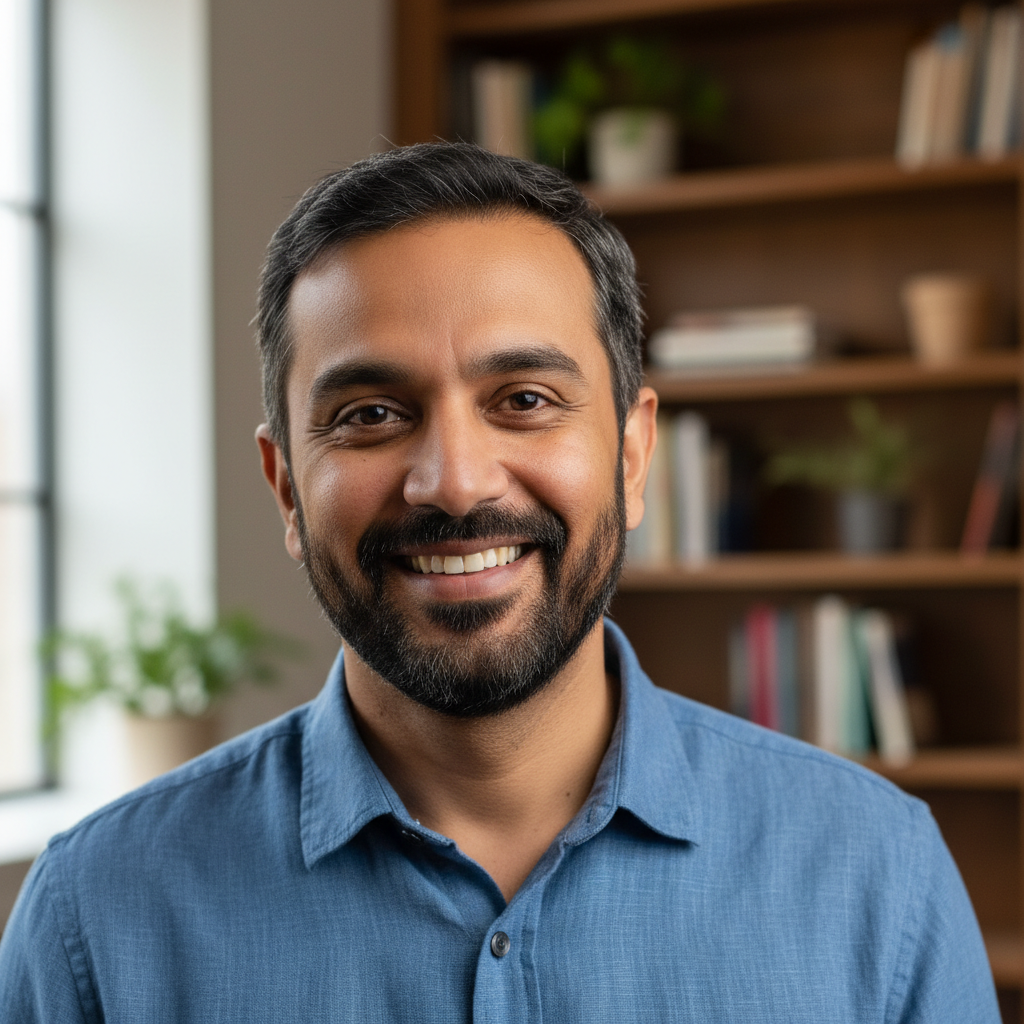
Dr. Ananda Krishnamurthy
Lecturer in Sanskrit & Mahāyāna Studies
Tibetan Kagyu · Sanskrit Scholarship
Raised in a Kagyu dharma household in Chennai. Studied Sanskrit for six years at Varanasi before pursuing his doctorate at Oxford. Specializes in the bodhisattva literature of the early Mahāyāna.
Speciality: Bodhisattva literature, Prajñāpāramitā texts, Sanskrit poetics
Represented Lineages
Mahasi Sāsana
Burmese Forest Theravāda
Pa-Auk Forest Monastery
Samatha-Vipassanā
Sōtō Zen (Japan)
Chan/Zen
Kagyu (Tibet)
Vajrayāna
Amaravati Buddhist Monastery
Thai Forest (Western)
Insight Meditation Society
Contemporary Theravāda
Honest Questions
What you're
already wondering
These are the questions prospective students ask in every faculty conversation. We've answered them here, plainly, with comparison data where it helps.
Yes. All three tracks are open to lay practitioners and ordained monastics alike. Approximately 65% of current students are lay practitioners. The Contemplative Practice track was specifically designed with lay students in mind — it requires a sustained sitting practice, not robes. The Textual Studies and Buddhist Philosophy tracks have no practice requirement at all, though both are enriched by practitioners.
Ordination status of current students
Still have questions?
Every applicant who reaches the shortlist is offered a faculty conversation — a 30-minute call with a faculty member in their area of interest.
Track Assessment
Find Your Track
Five questions. Not a brochure — a mirror. Your answers map to a personalized track recommendation with a tailored comparison.
What is your current practice background?
Be honest — there is no wrong answer here.
This assessment is a starting point, not a placement test. All applicants are reviewed holistically.